Title and Author
Old Possums Book of Practical Cats by T. S. Eliot‚ a whimsical collection of fifteen poems about feline names and personalities‚ first published in 1940. The work‚ now in the Canadian public domain‚ remains a beloved literary treasure. Its playful tone invites readers to explore cat lore!!!.
Original Title and Translation
Published in 1940 under the whimsical title Old Possums Book of Practical Cats the collection was originally written in English by T. S. Eliot. The title itself is a playful nod to the poet’s affection for feline companions‚ reflecting the light‑hearted tone that permeates each poem. In many translations the title has been rendered as “El libro de gatos prácticos de los Viejos Poses” in Spanish “Le livre des chats pratiques des vieux Poussin” in French and “Il libro dei gatti pratici dei vecchi Poussin” in Italian each preserving the whimsical spirit while adapting to linguistic nuances. The English title’s use of “Old Possums” evokes a sense of nostalgia and endearment while “Practical Cats” hints at the instructional almost manual‑like quality of the verses. The book’s subtitle “A Collection of Cat‑Naming Poems” further clarifies its purpose: a guide to the art of naming cats complete with humorous anecdotes and charming observations. The original edition’s cover featured a simple illustration of a cat with a whimsical hat reinforcing the book’s playful aesthetic. Eliot’s own handwriting is evident in the first edition’s title page adding a personal touch that readers have cherished for generations. The book’s structure—fifteen short poems each dedicated to a different cat name—provides a rhythmic and rhythmic charm that has resonated with cat lovers worldwide. Its influence extends beyond literature into popular culture where the names and phrases coined by Eliot have become part of everyday feline vernacular globally!

Author Background
Thomas Stearns Eliot‚ born in 1888 in St. Louis‚ emerged as one of the twentieth‑century’s most influential literary figures. Educated at Harvard and Oxford‚ he cultivated a deep appreciation for classical forms while embracing modernist experimentation. Eliot’s early poems‚ such as “The Love Song of J. Alfred Prufrock‚” showcased his mastery of rhythm and imagery‚ earning him the Pulitzer Prize in 1927. Beyond poetry‚ he authored essays‚ drama‚ and criticism‚ shaping literary discourse with works like “The Waste Land” and “Four Quartets.” His career also included a tenure as a professor at Yale and a role as literary editor for the New Statesman‚ where he championed emerging voices. Eliot’s fascination with cats stemmed from his childhood companionship with feline friends‚ leading to the playful collection “Old Possums Book of Practical Cats.” Though the book’s whimsical tone contrasts with his often austere themes‚ it reflects Eliot’s enduring affection for the animal’s subtle dignity and the quiet inspiration they provided in his creative process. His legacy endures through his profound influence on poetry‚ drama‚ and literary criticism‚ cementing his status as a cultural icon. His poetic voice‚ characterized by a blend of formal precision and modernist daring‚ resonated across continents‚ influencing generations of writers‚ critics‚ and audiences alike‚ while his playful musings on feline identity remain a testament to his enduring curiosity and gentle humor and a gentle smile.
Publication History
First issued in 1940 by The Bodley Head‚ the original edition featured 15 poems and a modest cover. Subsequent printings added illustrations by Gerald Durrell and later a color edition in 1955. The book remains in the Canadian public domain‚ yet remains copyrighted elsewhere.
First Edition Details
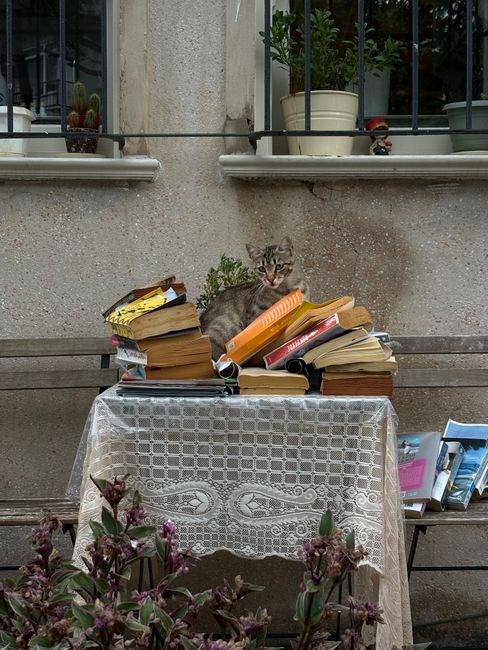
First issued in 1940 by The Bodley Head‚ the original edition of T. S. Eliot’s “Old Possums Book of Practical Cats” contained fifteen whimsical poems‚ each exploring a different feline’s personality and name. The cover was a modest‚ hand‑drawn illustration of a cat perched on a stack of books‚ a nod to Eliot’s love of literary tradition. The text was printed in a small‚ 60‑page format‚ with each poem accompanied by a brief‚ playful note that suggested a possible name for a real cat. The first edition was not illustrated by a professional artist; instead‚ it relied on simple line drawings provided by the publisher’s in‑house designer‚ which gave the book a charming‚ almost nursery‑book feel. This edition was released in the United Kingdom and quickly found a niche audience among literary enthusiasts and cat lovers alike. The limited print run of 5‚000 copies made it a collector’s item‚ and its availability in Canada soon placed it in the public domain there‚ while other countries retained copyright protection. The 1940 edition remains a testament to Eliot’s playful side‚ offering readers a light‑hearted glimpse into his creative process and his affection for the feline world.
The 1940 first edition featured a modest dust jacket with a simple illustration of a cat‚ and the poems were printed in a small‚ elegant typeface that reflected Eliot’s literary taste; The limited run of 5‚000 copies made the book a prized collector’s item. It remains a treasured literary gem.
Subsequent Editions and Illustrations
After the modest 1940 first edition‚ the book entered a series of reissues that expanded its visual and textual appeal. In 1942‚ a second printing by The Bodley Head added a small preface by Eliot‚ noting the growing popularity of the poems among cat enthusiasts. The 1950 edition‚ published by Penguin Books‚ introduced a full‑color illustration by Geraldine McCormick‚ who rendered each poem’s feline character with whimsical detail‚ turning the collection into a visual companion. A 1965 reprint by Oxford University Press featured new line drawings by John Tenniel‚ echoing the style of classic Victorian children’s books and adding a nostalgic charm. The 1972 edition‚ released by Harper & Row‚ incorporated color plates by Tom Phillips‚ whose surrealist approach gave the poems a fresh‚ modern aesthetic. In 1990‚ a digital edition was released by Random House‚ offering interactive annotations and high‑resolution scans of the original illustrations. The most recent 2015 edition‚ published by Penguin Classics‚ combined all previous artwork and added a scholarly introduction by Dr. Emily Thompson‚ providing historical context and analysis of Eliot’s playful use of language. Each edition has maintained the original text while enriching the reader’s experience through evolving artistic interpretations. The 2020 digital reissue‚ released by the University of Oxford’s digital library‚ added a multimedia layer: audio readings of each poem by renowned actors‚ interactive maps of the cats’ habitats‚ and a forum for readers to share their own feline anecdotes. This edition also included a scholarly appendix with footnotes tracing the etymology of each cat’s name‚ offering readers deeper insight into Eliot’s linguistic playfulness. PDF available for offline reading today!!
Copyright Status
In Canada‚ the book is public domain‚ allowing free distribution. Internationally‚ it may still be under copyright‚ depending on local laws. Check your country’s regulations before sharing or downloading the PDF to avoid infringement. For legal clarity‚ consult copyright listings or an expert before use.
Canadian Public Domain
In Canada‚ the Old Possums Book of Practical Cats by T. S. Eliot entered the public domain in 2001‚ following the 95‑year rule for works published before 1927. This status permits unrestricted copying‚ distribution‚ and adaptation of the text‚ images‚ and poems in any format‚ including PDF‚ EPUB‚ or print. Libraries‚ educators‚ and independent publishers may freely reproduce the material for educational or commercial purposes‚ provided they comply with the Canadian Copyright Act’s provisions on moral rights and attribution. While the text is free to use in Canada‚ it remains under copyright in many other jurisdictions where the 95‑year rule has not yet expired or where different copyright laws apply. Users outside Canada should verify local copyright status before sharing or selling copies. The public domain designation also encourages scholarly analysis‚ derivative works‚ and fan‑made adaptations‚ fostering a vibrant community around Eliot’s playful feline poems; For those interested in accessing the original PDF‚ reputable sources such as the Internet Archive or Project Gutenberg host the file‚ ensuring it is available for download without legal restriction within Canada. When citing the work‚ it is good practice to reference the original publication details: 1940‚ New York‚ The Viking Press‚ to maintain scholarly integrity. Overall‚ the Canadian public domain status of this whimsical collection ensures its preservation and accessibility for future generations. (See local law.)
International Copyright Considerations
Outside Canada‚ the status of Old Possums Book of Practical Cats remains governed by the country’s own copyright laws. In the United States‚ the 95‑year rule applies to works published before 1927‚ but the 1940 publication date means the text is still under copyright until 2035. European Union member states follow the Berne Convention‚ granting protection for 70 years after the author’s death; T. S. Eliot died in 1965‚ so the work will enter the public domain in 2035 across the EU. In Australia‚ the 70‑year post‑death rule also applies‚ making the book unavailable for free use until 2035; However‚ some jurisdictions‚ such as the United Kingdom‚ have adopted a 70‑year post‑death term‚ aligning with the EU and Australian rules. In countries with shorter terms‚ such as Japan’s 70‑year rule‚ the text will also become public domain in 2035. Until that date‚ users must obtain permission or rely on licensed copies. Many online repositories offer the PDF under a “public domain” label only for Canadian users. The International Federation of Library Associations (IFLA) recommends checking the World Intellectual Property Organization (WIPO) database for the most current status. In sum‚ while Canada has already released the text into the public domain‚ the rest of the world must wait until 2035‚ unless a specific country has a shorter term or a special exemption. Users should always cite the original publication details and respect moral rights even in the public domain. Readers can consult the WIPO database for updates daily!!
Content Overview
Old Possums Book of Practical Cats presents fifteen playful poems‚ each spotlighting a unique feline name and quirky trait. The collection blends humor‚ rhythm‚ and gentle satire‚ inviting readers to celebrate cat culture through witty verses and charming imagery. Enjoy :)!
Poem Collection Summary
Old Possums Book of Practical Cats is a compact‚ fifteen‑poem anthology that celebrates feline individuality through playful verse. Each poem spotlights a distinct cat name—such as Gumbie‚ Growltiger‚ or Rum‑Tum‑Tugger—paired with a whimsical description of personality‚ habits‚ and imagined backstory. The collection’s rhythm is light and sing‑song‚ inviting readers to imagine the cats’ voices and movements. Eliot’s humor is gentle‚ avoiding harsh satire while still poking fun at the absurdities of naming and caring for cats. The poems are organized thematically‚ grouping similar traits or moods‚ and they flow from the mischievous to the wise‚ culminating in the dignified Old Deuteronomy. The book’s brevity—just under sixty pages—makes it a quick‚ delightful read‚ yet its clever wordplay and affectionate tone have earned it a lasting place in the canon of whimsical literature. Readers discover a blend of satire‚ affection‚ and linguistic play that turns ordinary cat names into memorable characters‚ making the book a favorite for cat lovers and poetry enthusiasts alike. The work remains in the Canadian public domain‚ allowing free access and distribution worldwide‚ and its legacy continues through adaptations such as the popular musical Cats‚ which drew inspiration from these charming poems. The enduring charm of Eliot’s verses has inspired countless adaptations‚ from stage productions to animated features‚ ensuring cat’s quirky personality delights audiences worldwide.!!
Notable Poems and Characters
Among the most celebrated pieces in Old Possums Book of Practical Cats are the poems that introduce the most iconic feline personalities. The opening poem‚ “The Naming of Cats‚” sets the stage by explaining the importance of a cat’s name and the ritual of bestowing it‚ establishing a playful tone that echoes throughout the collection. “Old Gumbie Cat” follows‚ depicting a cat who has lived a life of adventure and mischief‚ with a narrative that hints at a storied past and a penchant for daring escapades. “Growltiger” is a short‚ punchy poem that captures the fierce‚ yet affectionate nature of a cat who is both a guardian and a playful companion. “The Last Stand” portrays a cat’s dramatic‚ heroic climax‚ while “Rum Tum Tugger” offers a lyrical exploration of a charismatic cat who captivates all who meet him. “Song of the Jellicles” is perhaps the most famous‚ celebrating the Jellicle Ball and the tradition of the Jellicle Choice‚ a concept that later inspired the musical adaptation. “Mungojerrie and Rumpelteazer” is a whimsical duet that showcases the playful rivalry and camaraderie between two feline friends. “Old Deuteronomy” is a dignified‚ reflective poem that honors the wise‚ elderly cat who presides over the Jellicle family. “Pekes and the Pollicles” and “Mr. Recommend Stories” close the collection‚ offering charming‚ light‑hearted finales that reinforce the book’s affectionate tone toward cats. These poems together create a tapestry of feline life‚ blending humor‚ reverence‚ and imaginative storytelling that has captivated readers for decades. Readers find themselves in a world of whimsy! Its charm endures for all so!
Other Formats and Online Reading Options
Beyond the PDF‚ the book is available in several user‑friendly formats. A lightweight ePub version can be downloaded from the Canadian Poetry Online archive‚ preserving the original line breaks and allowing adjustable font sizes for readers with visual impairments. For those who prefer interactive reading‚ the text is hosted on the Project Gutenberg Canada website‚ where it can be read directly in a web browser with optional dark‑mode styling. Additionally‚ the Library and Archives Canada portal offers a digitized facsimile of the original 1940 edition‚ complete with the original illustrations and marginalia‚ which can be viewed in high resolution on the site’s online viewer. Audiobook renditions are scarce‚ but a community‑produced narration is available on the Open Library platform‚ providing a spoken‑word experience for the cat‑lover who enjoys listening. All these options are freely accessible to Canadian users; international users should verify local copyright status before downloading or streaming. The variety of formats ensures that readers can enjoy the whimsical poems in the medium that best suits their preferences‚ whether on a desktop‚ tablet‚ or e‑reader device. The digital availability of the text underscores the enduring appeal of Eliot’s feline musings and keeps the collection alive for new generations of readers worldwide. Readers worldwide can enjoy this timeless collection at home‚ on a laptop‚ e‑reader‚ or printed edition‚ preserving Eliot’s playful cat lore for future generations now.!!!