Understanding SI Joint Pain
Discover effective stretches, detailed in downloadable PDFs, to alleviate SI joint discomfort. These resources offer guided routines for improved mobility and pain reduction.
What is the Sacroiliac Joint?
The sacroiliac (SI) joint connects the sacrum – the triangular bone at the base of your spine – to the iliac bones of your pelvis. These joints are remarkably strong and stable, playing a crucial role in transferring upper body weight to the lower limbs. However, they are also susceptible to dysfunction, leading to pain. Understanding the SI joint’s function is key when exploring stretches for relief, often detailed in readily available PDFs.
These PDFs frequently emphasize that SI joint pain isn’t always originating in the joint itself, but can be referred pain from other areas. Targeted stretches, found within these guides, aim to restore proper movement and reduce inflammation around the joint, improving overall pelvic stability and reducing discomfort.
Anatomy of the SI Joint
The SI joint is a complex structure, not a simple hinge. It’s a weight-bearing joint with an irregular surface, covered in cartilage, and reinforced by strong ligaments. These ligaments limit excessive movement, but allow for a small degree of rotation and tilt. PDFs detailing stretches for SI joint pain often illustrate the surrounding musculature – the piriformis, hamstrings, and hip flexors – as these significantly impact joint function.
Understanding this anatomy is vital because stretches target these supporting muscles to indirectly influence the SI joint. These downloadable resources frequently highlight how tight muscles can contribute to SI joint dysfunction, and demonstrate stretches designed to restore balance and alleviate pressure, promoting optimal biomechanics.
Common Causes of SI Joint Dysfunction
Several factors can contribute to SI joint pain, often addressed with targeted stretches detailed in downloadable PDFs. These include leg length discrepancies, pregnancy (hormonal changes loosen ligaments), and previous lower back injuries. Repetitive motions, like those in certain sports, or even prolonged sitting, can also strain the joint.
PDF guides frequently emphasize that muscle imbalances play a crucial role. Tight hip flexors or weak core muscles can alter pelvic alignment, increasing stress on the SI joint. Stretches focusing on these areas – piriformis, hamstrings, and hip flexors – aim to restore proper biomechanics and reduce pain, offering a non-invasive approach to management.
Symptoms of SI Joint Pain
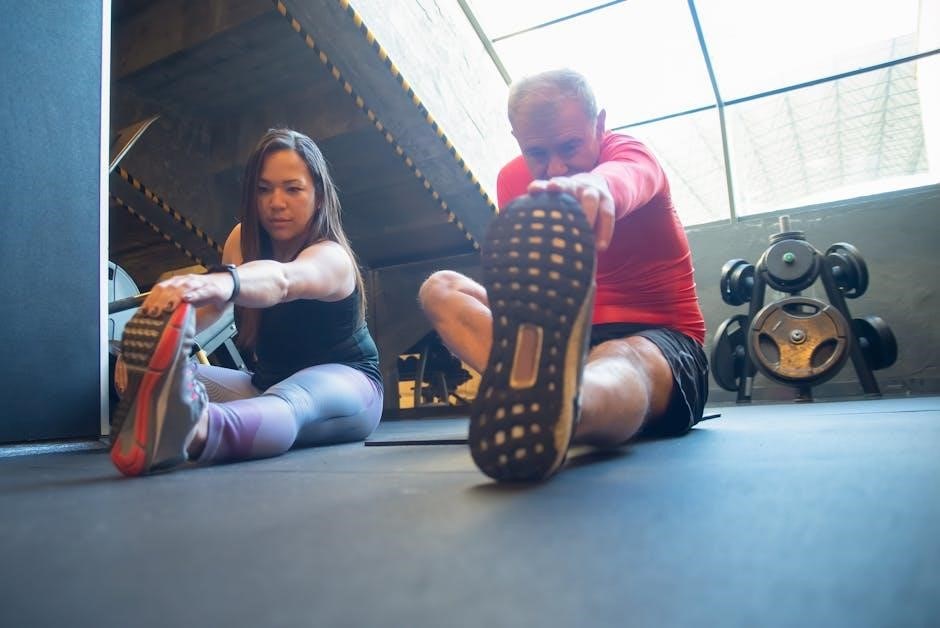
SI joint pain manifests as lower back and buttock discomfort, often relieved by specific stretches. Downloadable PDFs illustrate techniques to manage these symptoms effectively.
Pain Location and Radiation
Sacroiliac (SI) joint pain frequently presents as discomfort concentrated in the lower back, often radiating to the buttocks, hips, and even down the leg—mimicking sciatica. The precise location can vary significantly between individuals, sometimes felt as a sharp, stabbing pain, while others experience a dull ache.
Understanding the radiation patterns is crucial for targeted relief. Downloadable PDFs detailing stretches for SI joint pain often emphasize movements that address these specific areas of discomfort. These resources illustrate how stretching can help alleviate pain by improving flexibility and reducing muscle tension around the SI joint and along the pain referral pathways. Identifying where the pain travels assists in selecting the most beneficial stretches, as outlined in these helpful guides.
Types of Pain (Sharp, Dull, Burning)
SI joint pain manifests diversely; some experience sharp, localized pain, particularly with sudden movements or prolonged sitting. Others report a dull, achy discomfort that’s more constant and widespread. A burning sensation can also occur, often radiating into the thigh or groin.
Stretches for SI joint pain, detailed in accessible PDFs, are tailored to address these varying pain types. Resources emphasize gentle stretches for dull aches, dynamic movements for sharp pains, and stretches focusing on nerve release for burning sensations. These guides often categorize stretches based on the specific pain characteristics, enabling individuals to select exercises best suited to their unique symptoms and achieve optimal relief through targeted movement.
Aggravating and Relieving Factors
Activities that typically worsen SI joint pain include prolonged sitting, standing, climbing stairs, and uneven walking surfaces. Pain often increases with transitional movements – like getting in/out of a car or rolling over in bed. Conversely, gentle movement and specific stretches frequently provide relief.
PDF guides detailing stretches for SI joint pain highlight positions and movements to avoid, alongside those that promote healing. These resources emphasize finding comfortable ranges of motion and stopping if pain increases. They often suggest modifications for each stretch based on individual limitations, ensuring safe and effective pain management through targeted exercises and mindful movement practices.

Stretches for SI Joint Pain Relief
Explore downloadable PDF guides featuring targeted stretches like piriformis, hamstring, and knee-to-chest exercises, designed to ease SI joint discomfort and improve flexibility.
Piriformis Stretch
The piriformis stretch effectively targets the piriformis muscle, often a key contributor to SI joint pain. Downloadable PDF guides illustrate various techniques, including lying on your back with knees bent, crossing one ankle over the opposite knee, and gently pulling the uncrossed thigh towards your chest.
Hold the stretch for 30 seconds, repeating 2-3 times on each side. Proper form is crucial; avoid forcing the stretch and listen to your body. Many PDFs emphasize maintaining a neutral spine and controlled breathing throughout the exercise. Variations include performing the stretch seated or standing, adapting to individual flexibility levels. Consistent practice, as outlined in these resources, can significantly reduce pain and improve hip mobility, directly benefiting SI joint function.
Hamstring Stretches
Tight hamstrings can exacerbate SI joint pain by increasing pelvic tilt and strain. PDF guides detail several hamstring stretches, including the towel hamstring stretch – lying on your back, looping a towel around your foot, and gently pulling your leg straight.

Standing hamstring stretches, reaching towards your toes (with a slight bend in the knees), are also common. Hold each stretch for 20-30 seconds, repeating 2-3 times. These resources often highlight the importance of keeping your back straight and avoiding bouncing. Regularly incorporating these stretches, as demonstrated in the downloadable PDFs, improves hamstring flexibility, reducing tension on the SI joint and promoting better pelvic alignment. Proper form and controlled movements are key to preventing injury.
Hip Flexor Stretches
Tight hip flexors contribute to anterior pelvic tilt, a common factor in SI joint dysfunction. Downloadable PDFs showcase various hip flexor stretches, notably the kneeling hip flexor stretch – kneeling on one knee, gently leaning forward while keeping your back straight.
Another effective stretch is the standing hip flexor stretch, utilizing a slight lunge position. These guides emphasize maintaining core engagement and avoiding overextension. Holding each stretch for 20-30 seconds, repeated 2-3 times, can significantly improve hip flexor flexibility. Consistent practice, as illustrated in the PDFs, helps restore proper pelvic alignment, reducing stress on the SI joint. Remember to listen to your body and avoid pushing beyond a comfortable range of motion.
Knee-to-Chest Stretch
The knee-to-chest stretch is a gentle yet effective mobilization exercise for the SI joint, often detailed in SI joint pain relief PDFs. Lie on your back with knees bent and feet flat. Gently pull one knee towards your chest, holding it with your hands.
Maintain a relaxed lower back and avoid forcing the movement. Hold for 20-30 seconds, then repeat with the other leg, or pull both knees to your chest simultaneously. These PDFs often suggest variations, like rocking gently side to side while holding the knees. This stretch helps to decompress the SI joint and relieve muscle tension. Consistent practice, guided by the PDF instructions, promotes improved spinal mobility and reduced discomfort.
Pelvic Tilts
Pelvic tilts, frequently illustrated in SI joint pain PDFs, are foundational exercises for restoring neutral pelvic alignment and reducing stress on the SI joint. Lie on your back with knees bent and feet flat on the floor. Gently flatten your lower back against the floor by tightening your abdominal muscles and tilting your pelvis upward.
Then, arch your lower back slightly, creating a small space between your back and the floor. These PDFs emphasize slow, controlled movements. Repeat this tilting motion 10-15 times, focusing on engaging your core. Proper form, as demonstrated in the guides, is crucial. Pelvic tilts enhance core stability and improve awareness of pelvic positioning, contributing to long-term SI joint health.

Specific Stretching Techniques
Explore advanced stretches, often detailed in SI joint pain PDFs, for targeted relief. These techniques build upon foundational stretches, enhancing flexibility and stability.
Seated Spinal Twist
The seated spinal twist is a gentle yet effective stretch often illustrated in SI joint pain PDF guides. Begin seated with legs extended. Bend one knee, placing the foot outside the opposite thigh. Twist your torso towards the bent knee, using your opposite arm for leverage and support.
Hold the stretch for 20-30 seconds, breathing deeply. This rotation helps to mobilize the spine and release tension in the lower back and hips, potentially alleviating SI joint discomfort. Many PDFs emphasize maintaining a straight spine throughout the twist, avoiding rounding the back. Repeat on the other side.
Caution: Avoid forcing the twist; listen to your body and stop if you feel any sharp pain. Proper form, as demonstrated in instructional PDFs, is crucial for maximizing benefits and preventing injury.
Standing Back Extension
Standing back extensions, frequently detailed in SI joint pain relief PDFs, offer a counter-stretch to prolonged sitting. Begin standing with feet shoulder-width apart, hands supporting your lower back. Gently lean backward, arching your spine, while keeping your knees slightly bent.
Focus on extending from the upper back, avoiding excessive strain on the lower back. Hold the extended position for 15-20 seconds, breathing deeply. Many PDF guides suggest performing this stretch slowly and controlled, avoiding jerky movements.
Important Note: Individuals with acute SI joint pain should approach this stretch cautiously. Consult a PDF or healthcare professional for proper form and modifications. This stretch aims to improve spinal mobility and reduce stiffness.
Cat-Cow Stretch
The Cat-Cow stretch, a cornerstone in many SI joint pain PDFs, gently mobilizes the spine and promotes core stability. Begin on your hands and knees, ensuring wrists are under shoulders and knees under hips. Inhale as you drop your belly towards the floor, arching your back (Cow pose).
Exhale as you round your spine towards the ceiling, tucking your chin to your chest (Cat pose). PDF guides emphasize coordinating breath with movement, flowing smoothly between poses. Repeat 10-15 times.
Modification: For sensitive SI joints, reduce the range of motion. This stretch improves spinal flexibility and can alleviate muscle tension contributing to SI joint discomfort, as detailed in downloadable resources.
Child’s Pose
Child’s Pose, frequently illustrated in SI joint pain relief PDFs, offers a gentle stretch for the lower back, hips, and thighs. Begin on your hands and knees, then sit back on your heels, extending your torso forward. Rest your forehead on the floor, arms extended or alongside your body.
PDF guides often suggest widening the knees slightly to create more space for the hips, easing pressure on the SI joint. Hold for 30-60 seconds, focusing on deep, diaphragmatic breathing.
Modification: Use a pillow or blanket under your forehead or between your thighs for added comfort. This restorative pose promotes relaxation and can reduce muscle tension surrounding the SI joint, as demonstrated in downloadable resources.

Integrating Stretches into a Routine
PDF guides recommend a consistent stretching routine, including warm-ups, holding each stretch for 30 seconds, and mindful breathing for optimal SI joint relief.
Warm-up Exercises
Before initiating SI joint stretches – as detailed in many helpful PDFs – a proper warm-up is crucial to prepare your muscles and joints. Begin with 5-10 minutes of low-impact cardiovascular activity, such as walking or gentle cycling, to increase blood flow.
Follow this with dynamic stretches, focusing on movements that mimic the stretches you’ll be performing. Examples include pelvic tilts, gentle torso twists, and leg swings. These movements enhance flexibility and range of motion, reducing the risk of injury.
PDF resources often suggest incorporating cat-cow stretches and bird-dog exercises as part of your warm-up. Remember to perform these movements slowly and controlled, paying attention to your body’s signals. A well-executed warm-up significantly improves the effectiveness of your stretching routine and minimizes discomfort.
Frequency and Duration
Many SI joint pain relief PDFs recommend stretching 2-3 times daily for optimal results. Consistency is key; short, frequent sessions are generally more beneficial than infrequent, lengthy ones. Each stretching session should last approximately 10-15 minutes, allowing sufficient time for each stretch to be held correctly.
Beginners should start with shorter hold times (20-30 seconds) and gradually increase to 60 seconds as flexibility improves. Listen to your body and avoid pushing through pain. PDF guides often suggest modifying stretches based on individual tolerance levels.
It’s also important to incorporate stretching into a long-term routine, even after pain subsides, to prevent recurrence. Regular stretching helps maintain joint mobility and muscle balance, contributing to lasting relief.
Proper Form and Breathing
SI joint pain relief PDFs consistently emphasize maintaining correct form during stretches to maximize effectiveness and prevent injury. Avoid arching or rounding your back excessively; focus on controlled movements. Engage your core muscles throughout each stretch for stability.
Deep, diaphragmatic breathing is crucial. Inhale deeply before initiating a stretch, and exhale slowly as you deepen into the position. This promotes relaxation and increases flexibility. Holding your breath can create tension, counteracting the benefits of the stretch.
PDF guides often include visual demonstrations and detailed instructions to ensure proper alignment. If you’re unsure about proper form, consult a physical therapist or healthcare professional.

Additional Therapies for SI Joint Pain
Complement stretches with therapies like physical therapy, chiropractic care, or massage—often detailed alongside stretch PDFs—for comprehensive pain management.
Physical Therapy
Physical therapy plays a crucial role in SI joint pain management, often incorporating targeted stretches found in helpful PDF guides. A therapist will assess your specific condition and design a personalized program. This typically includes strengthening exercises for core and hip muscles, alongside specific stretches like the piriformis, hamstring, and knee-to-chest stretches – all frequently illustrated in downloadable resources.
They’ll also focus on restoring proper movement patterns and addressing any muscle imbalances contributing to the pain. Many clinics provide patients with stretch PDFs for home practice, ensuring consistency. Manual therapy techniques, such as joint mobilization and soft tissue release, may also be employed. A physical therapist can educate you on proper body mechanics and posture to prevent future flare-ups, supplementing the stretch routines.
Chiropractic Care

Chiropractic care offers another avenue for SI joint pain relief, frequently complementing stretching exercises detailed in accessible PDF guides. Chiropractors focus on restoring proper spinal alignment and joint mechanics, potentially reducing stress on the sacroiliac joint. Adjustments aim to improve joint mobility and decrease muscle tension surrounding the SI joint, enhancing the effectiveness of stretches like pelvic tilts and seated spinal twists – often visualized in downloadable resources.
Many chiropractors will also provide patients with customized stretch PDFs for home use, promoting consistent self-care. They may incorporate soft tissue techniques to address muscle imbalances and recommend specific exercises to strengthen supporting muscles. A holistic approach often includes postural advice and ergonomic recommendations, alongside the prescribed stretching regimen, to prevent recurrence.
Massage Therapy
Massage therapy can be a valuable adjunct to stretching routines – often outlined in helpful PDF guides – for managing SI joint pain. Skilled massage therapists target the muscles surrounding the pelvis and lower back, releasing tension in areas like the piriformis, hamstrings, and glutes. This muscle relaxation can improve joint mobility and reduce pain, making stretches like knee-to-chest and hip flexor stretches more effective.
Specific techniques, such as myofascial release, address restrictions in the connective tissues surrounding the SI joint. Therapists may also incorporate trigger point therapy to alleviate localized muscle knots contributing to pain. Combining massage with a consistent stretching program, as detailed in downloadable PDFs, can provide comprehensive relief and promote long-term joint health.

Preventative Measures
Consistent stretching, guided by PDF resources, strengthens supporting muscles and maintains pelvic alignment. Proactive routines minimize SI joint stress and future discomfort.
Core Strengthening Exercises
A robust core provides essential stability for the sacroiliac (SI) joint, preventing excessive movement and reducing pain. PDF guides detail exercises like planks, bird-dogs, and abdominal bracing, crucial for building this support. These aren’t just about “six-pack abs”; they focus on deep core muscles.
Strengthening these muscles—transversus abdominis, multifidus, and obliques—creates a natural corset around the spine and pelvis. Regularly performing these exercises, as outlined in downloadable PDFs, improves posture and biomechanics. Proper form is paramount; the PDFs often include visual demonstrations.
Integrating core work alongside SI joint stretches maximizes benefits, fostering long-term joint health and minimizing recurrence of pain. Remember to start slowly and progressively increase intensity.
Maintaining Good Posture
Proper posture significantly impacts SI joint health, minimizing stress and preventing pain flare-ups. Downloadable PDFs often include postural assessments and corrective exercises. Awareness is key – consciously maintain a neutral spine, avoiding excessive slouching or arching.
Good posture involves aligning ears, shoulders, hips, and knees in a vertical line. When sitting, use lumbar support and ensure feet are flat on the floor. Standing requires engaging core muscles and keeping shoulders relaxed. PDF guides illustrate optimal alignment.
Poor posture creates imbalances, placing undue strain on the SI joint. Consistent postural correction, guided by resources in PDF format, can alleviate pain and improve overall biomechanics. It’s a proactive step towards long-term SI joint wellness.
Ergonomic Considerations
Optimizing your workspace is crucial for managing SI joint pain, and PDFs often detail ergonomic setups. Ensure your chair provides adequate lumbar support and is adjusted to the correct height. Your monitor should be at eye level to prevent neck strain, which can radiate to the lower back.
When lifting, bend at the knees, keeping your back straight, a technique frequently illustrated in downloadable guides. Avoid prolonged sitting or standing in one position; take frequent breaks to move and stretch. PDF resources may offer workstation assessment checklists.
Consider using a standing desk or alternating between sitting and standing throughout the day. Proper ergonomics minimize stress on the SI joint, complementing stretches found in PDF materials for comprehensive pain management and prevention.

Resources for Further Information (PDFs & Websites)
Access detailed stretch guides in downloadable PDFs and explore reputable websites for SI joint pain relief techniques and exercises.
Reliable Online Sources
Numerous websites provide valuable information regarding SI joint pain and effective stretching routines. The Mayo Clinic ([https://www.mayoclinic.org/](https://www.mayoclinic.org/)) offers comprehensive overviews of SI joint dysfunction, including potential causes and treatment options, often referencing appropriate exercises.
WebMD ([https://www.webmd.com/](https://www.webmd.com/)) delivers accessible articles detailing SI joint pain symptoms and stretches for relief.
Physiotherapy-focused sites, like those from professional associations, frequently offer downloadable PDF guides demonstrating correct form for stretches like piriformis, hamstring, and pelvic tilts. Search for resources from organizations like the American Physical Therapy Association (APTA).
Always verify the credentials of the source and consult with a healthcare professional before starting any new exercise program.
Recommended PDF Guides
Several downloadable PDF guides offer structured stretching programs for SI joint pain. Look for resources from reputable physiotherapy clinics; many provide detailed guides with illustrations demonstrating proper technique for stretches like the piriformis stretch, hamstring stretches, and pelvic tilts.
Search for PDFs from hospitals or university medical centers specializing in musculoskeletal health. These often include progressive exercise plans tailored to different pain levels.
The “Sacroiliac Joint Pain Relief” guide (search online for availability) is frequently recommended, offering a comprehensive approach. Ensure the PDF is authored by qualified healthcare professionals.
Remember to prioritize guides that emphasize proper form and controlled movements to avoid exacerbating your condition.